Updated on: 10th March 2026
Understanding the proper protocol when confronting defamatory content separates those who successfully reclaim their narratives from those who watch helplessly as their digital presence crumbles. The pathway forward requires strategic thinking, measured responses, and knowledge of how search algorithms actually work. This comprehensive guide walks you through each critical step, helping you protect what matters most—your hard-earned reputation—while avoiding the common pitfalls that inadvertently amplify negative visibility.
How Do You Properly Document Damaging Content Without Making Things Worse?
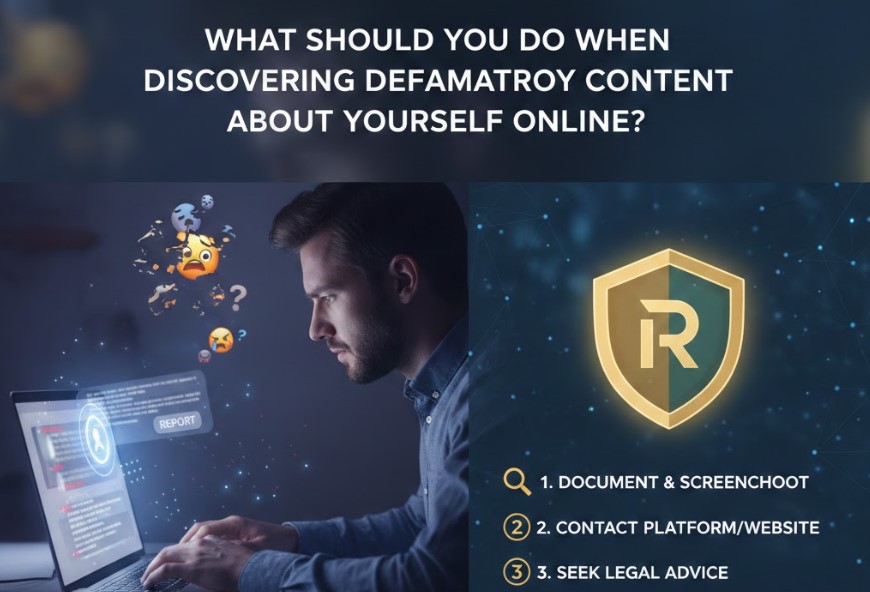
The moment you discover harmful content, your immediate response shapes everything that follows. Before taking any action, you need to gather evidence methodically. Take screenshots of the entire page, capturing URLs, publication dates, author information, and every comment or engagement metric visible. Use timestamp tools or archive services like Archive.org to create permanent records that establish when the content appeared and what it contained originally.
Documentation extends beyond the obvious offending page. Examine the website’s domain age, authority metrics, and posting patterns. Check whether multiple articles exist from the same source or if this represents an isolated incident. Review the language used—does it contain verifiable falsehoods, opinions stated as facts, or legitimate criticism that simply feels uncomfortable? This distinction matters tremendously when determining your response strategy.
Many people overlook metadata and technical details during emotional moments, yet these elements prove invaluable later. Note the content management system powering the site, any visible contact information, privacy policies, and terms of service. If the content appears on social media platforms, document the account details, follower counts, and engagement patterns. This intelligence helps reputation specialists understand the threat level and identify the most effective intervention approaches.
What Mistakes Should You Avoid When Researching Additional Negative Content?
Once you’ve documented the initial discovery, natural curiosity drives you to search more thoroughly. However, this investigative phase carries significant risks when handled improperly. Each time you click on a negative link, you send signals to search engines that someone finds this content relevant and engaging. Google’s algorithms interpret clicks, time spent on page, and return visits as indicators of content quality and user interest.
Conducting your research requires a lighter touch than most people realize. Instead of repeatedly clicking the same harmful links, use alternative methods to assess the damage. Perform searches using incognito or private browsing modes to see results without personalization filters. Consider using different search engines beyond Google, including Bing, DuckDuckGo, and specialized people search tools that aggregate public records differently.
The depth of your research should match the severity of the threat. A single negative review on an obscure forum demands less attention than coordinated attacks across multiple high-authority domains. Document everything you find in a spreadsheet, noting URLs, search positions, domain authorities, and publication dates. This organized approach prevents the anxiety-driven tendency to obsessively check rankings daily—a behavior that actually strengthens the negative content’s position.
Why Does Sharing Negative Links Actually Increase Their Search Visibility?
Human nature compels us to seek validation and support when attacked. You want trusted friends, family members, and colleagues to see what you’re facing, to confirm that the content truly misrepresents you. Unfortunately, this understandable impulse triggers algorithmic responses that work against your interests. Every share, every message containing the URL, every forwarded email creates another digital footprint leading back to the damaging content.
Search engines track link velocity—the speed at which content accumulates backlinks and social shares. When you share negative URLs, even with trusted contacts, you’re essentially voting for that content’s importance. The algorithms don’t distinguish between positive and negative attention; they simply recognize increased engagement. Social media platforms amplify this effect, as their internal algorithms prioritize content generating discussion and clicks.
Consider the ripple effects of well-intentioned sharing. Your friend might screenshot the content and post it elsewhere seeking advice. A family member might share it in a professional group for perspective. Each action creates new pathways leading to the original defamatory page. Instead of distributing the harmful URL, describe the situation without providing direct links. If you need to share specifics with legal counsel or reputation specialists, use secure communication channels and password-protected documents that don’t create searchable traces.
Which Online Properties Should You Establish to Counteract Negative Search Results?
Strategic digital real estate acquisition forms the foundation of effective reputation defense. When negative content occupies prominent search positions, you need alternative properties ranking for your name that push harmful results downward. The key lies in selecting platforms with inherent authority that search engines already trust and prioritize in results pages.
Professional networking sites like LinkedIn offer powerful opportunities because they typically rank exceptionally well for personal name searches. Optimize your profile completely, incorporating natural variations of your name, professional credentials, and relevant keywords describing your expertise. Regular updates, article publishing through LinkedIn’s native platform, and meaningful engagement signal active, valuable content to search algorithms.
Personal websites and blogs provide controlled environments where you shape the narrative entirely. Register domains using your full name, and build content showcasing your expertise, accomplishments, and authentic professional story. WordPress, Wix, and Squarespace all offer professional templates requiring minimal technical skills. The crucial element involves consistently publishing high-quality material that demonstrates thought leadership in your field.
Platform selection requires careful evaluation of control and permanence. Sites like Medium, Substack, and Behance offer publishing opportunities on established domains with existing authority. Company websites, professional directories, and industry-specific platforms related to your work create additional ranking opportunities. Academic profiles on sites like Academia.edu or ResearchGate work well for researchers and educators. Speaking engagement listings, podcast appearances, and video content on YouTube or Vimeo all contribute to a diversified digital presence.
Consider establishing profiles on authority sites including About.me, Crunchbase (for business professionals), and relevant professional associations. Each property should present consistent branding, professional photography, and compelling biographical information. The objective involves creating a network of positive touchpoints that dominate the first page of search results, making negative content less visible and therefore less influential on anyone researching your name.
What Platforms Should You Deliberately Avoid During Reputation Recovery?
Not all websites deserve your attention, particularly when you’re actively managing reputation threats. Platforms that surrender editorial control after publication create long-term vulnerabilities that often backfire spectacularly. Reddit exemplifies this category perfectly—once you publish content, community members can hijack conversations, add negative comments, and shape perception in ways completely beyond your control.
User-generated content platforms operate under different rules than traditional publishing. Forums, discussion boards, and community sites empower audiences to contribute equally, creating environments where your carefully crafted message might get buried under hostile responses. Even worse, negative interactions on these platforms create additional searchable content associating your name with controversy.
Review sites present similar challenges. While you might feel tempted to create accounts on Yelp, Glassdoor, or industry-specific review platforms, remember that these environments specifically amplify criticism. Contributing content or engaging on review platforms often draws more attention to negative feedback rather than diminishing it. The platforms profit from controversy and critical content, so their algorithms favor discussions over harmonious narratives.
Social platforms with weak moderation or those attracting polarized audiences should remain off your radar during active reputation management. Certain subreddits, chan boards, and fringe social networks thrive on controversy and confrontation. Establishing presence in these spaces rarely improves your reputation and frequently introduces new problems as communities pile on or create derivative content mocking your defensive efforts.
Why Should You Never Respond Directly to Defamatory Articles or Reviews?
The urge to defend yourself feels completely natural. You possess facts that contradict the accusations. You want to set the record straight publicly, demonstrating to anyone reading that the claims lack merit. However, engaging directly with defamatory content almost always produces outcomes worse than silence, for reasons rooted in both psychology and algorithm behavior.
Every comment you leave, every response you post adds fresh content to the damaging page. Search engines interpret new content as signals of relevance and timeliness, potentially boosting the page’s rankings. Your engagement extends the content’s lifespan, showing algorithms that people still care about this material months or years after original publication. Controversial content generating defensive responses gets prioritized because platforms profit from extended engagement.
Psychological dynamics create additional problems. When you respond defensively, readers often interpret it as confirmation that the accusations struck a nerve. Your emotional tone, regardless how controlled you attempt to maintain it, provides entertainment value that attracts additional attention. Trolls and hostile actors feed off your reactions, creating derivative content and spreading the controversy to new audiences who might never have discovered the original article.
Public disputes rarely convince neutral observers of your innocence. Instead, they create “where there’s smoke, there’s fire” perceptions. Someone researching you encounters not just the original accusation but also your defensive response, potentially interpreting the back-and-forth as confirmation of underlying problems. The professional approach involves rising above the fray, demonstrating through your continued success and dignified conduct that the allegations lack substance.
Legal remedies and platform reporting systems offer appropriate channels for addressing genuinely defamatory content. These formal mechanisms operate outside public view, preventing the spectacle that feeds algorithmic prioritization. When content clearly violates laws or platform policies, pursuing removal through proper channels achieves results without the visibility costs of public confrontation.
How Does Consistent Content Creation Suppress Negative Search Results?
Search engine results pages operate like dynamic marketplaces where content constantly competes for visibility. Negative articles occupy positions not through permanent claim but through ongoing relevance signals. By consistently publishing high-quality material on your positive properties, you create competitive alternatives that gradually displace harmful content from prominent positions.
Frequency matters significantly in this competition. Publishing weekly blog posts, LinkedIn articles, video content, or podcast episodes demonstrates ongoing relevance for your name. Search algorithms favor fresh content when determining what deserves top rankings. A two-year-old negative article struggles to compete against regularly updated profiles showing current professional activity, thought leadership, and community contribution.
Quality determines whether your content actually competes effectively. Rushed, thin articles provide minimal ranking power regardless of publication frequency. Instead, invest effort creating genuinely valuable resources that people want to read, share, and reference. Long-form guides demonstrating expertise, case studies showcasing successful projects, and thoughtful analysis of industry trends all generate the engagement metrics that signal quality to search algorithms.
Strategic keyword integration strengthens your content’s competitive position. Research what terms people search alongside your name—your profession, location, company, or area of expertise. Naturally incorporate these terms throughout your content, helping search engines understand what topics your properties should rank for. Someone searching “Your Name marketing consultant Chicago” should encounter your professionally crafted profiles rather than negative content lacking these contextual keywords.
Cross-platform consistency amplifies your content’s impact. When you publish an article on your personal blog, share key insights on LinkedIn, create a Twitter thread highlighting main points, and discuss the topic in a YouTube video, you create multiple ranking opportunities for related searches. This integrated approach builds authority signals across different content types, making your positive digital ecosystem more robust against negative incursions.
The timeline for content suppression varies based on numerous factors including the authority of negative domains, the competitiveness of your name, and the quality of your positive content. Generally, consistent effort over 3-6 months produces noticeable improvements, with continued refinement generating progressively better results. Patience proves essential—reputation recovery represents a marathon, not a sprint.
When Should You Consider Hiring Professional Reputation Management Services?
Certain situations exceed what individuals can effectively manage independently. When negative content appears on high-authority news sites, when multiple articles coordinate to create a pattern, or when defamatory material significantly impacts your livelihood, professional intervention becomes not just advisable but essential. Reputation management agencies bring specialized expertise, established relationships, and technical capabilities that dramatically accelerate recovery.
Professional services like ReputaForge understand the intricate technical factors influencing search rankings. They possess tools for analyzing domain authority, link profiles, content freshness, and dozens of other variables that determine what appears in search results. This data-driven approach identifies the most efficient strategies for your specific situation, avoiding the trial-and-error that costs precious time when reputation damage actively harms your professional prospects.
Agencies maintain relationships with platforms, media outlets, and legal resources that individuals cannot easily access. They know which content removal requests actually succeed, how to properly document legal violations, and which technical approaches comply with search engine guidelines while effectively suppressing negative content. Their experience across hundreds of cases reveals patterns and solutions that someone facing their first reputation crisis simply cannot anticipate.
The psychological burden of reputation management shouldn’t be underestimated. Constantly monitoring search results, creating content while feeling attacked, and maintaining professional composure while your livelihood feels threatened creates enormous stress. Professional services shoulder this burden, allowing you to focus on your actual work while experts systematically address the reputation threats.
Cost considerations make some people hesitate before engaging professional help. However, calculate the true cost of damaged reputation—lost job opportunities, failed business deals, clients who never reach out, partnerships that never materialize. A single missed opportunity often exceeds professional service fees multiple times over. View reputation management as insurance protecting your most valuable professional asset.
Selecting the right agency requires due diligence. Research their track record, read case studies, and verify their methodology aligns with ethical practices. Avoid services promising overnight miracles or guaranteed removals—legitimate reputation work requires time and sustained effort. Look for agencies offering transparent communication, regular progress reports, and strategies focused on long-term reputation strength rather than quick fixes creating future vulnerabilities.
ReputaForge specializes in comprehensive reputation recovery, combining content creation, technical SEO, and strategic suppression techniques that deliver lasting results. Their approach emphasizes building genuinely valuable digital assets that serve your professional goals beyond mere crisis management, creating foundations for sustained positive visibility regardless of future challenges.
FAQs
How long does it typically take to push negative content off the first page of search results?
The timeline varies considerably depending on factors including the authority of the site hosting negative content, how competitive your name is (common names face more challenges), and the quality of your positive content strategy. For individuals facing negative articles on medium-authority sites, consistent effort typically produces noticeable improvements within 3-6 months. High-authority news sites require longer timeframes, sometimes 6-12 months of sustained work. Names that are highly unique often see faster results because fewer competing results exist. The key involves maintaining consistent publishing schedules while building genuine authority signals. Quick fixes rarely deliver lasting results, but strategic, patient approaches succeed in the majority of cases. Professional reputation management services accelerate this timeline significantly through specialized techniques and resources unavailable to individuals working independently.
Can I successfully manage my online reputation without spending money on professional services?
Yes, individuals can manage reputation challenges independently, particularly when damage appears limited in scope and involves lower-authority websites. Success requires significant time investment, willingness to learn SEO fundamentals, and emotional resilience to maintain consistent effort despite stress. You’ll need to establish multiple high-quality online profiles, publish valuable content regularly across several platforms, and carefully track your progress over months. The DIY approach works best for proactive reputation building rather than crisis response. When negative content appears on major news sites, when attacks coordinate across multiple platforms, or when your livelihood directly depends on immediate results, professional services typically justify their cost through faster resolution and higher success rates. Consider your situation’s urgency, complexity, and your available time before deciding which path makes sense for your circumstances.
What should I do if the negative content contains actual truthful information about a past mistake?
Truthful negative content presents different challenges than false defamation because legal removal options rarely apply. Your strategy should focus on context, rehabilitation narrative, and forward momentum rather than suppression alone. Create content acknowledging past mistakes while demonstrating concrete growth, changed circumstances, and positive contributions since then. People respect redemption stories when they’re authentic and substantiated. Ensure your current digital presence overwhelmingly reflects who you are today rather than who you were during your worst moment. Build thought leadership content demonstrating expertise and value. Seek testimonials and endorsements from credible sources who know your current work. Over time, search results naturally favor recent content, gradually diminishing the visibility of older material. This approach requires patience and genuine personal development, but it effectively rebuilds reputation even when past mistakes remain part of your permanent record.
Will deleting my social media accounts help reduce negative search visibility about me?
Deleting social media accounts typically worsens reputation problems rather than improving them. When you eliminate positive profiles that might rank for your name, you create vacuums that negative content often fills. Search engines need alternative results to display when people search your name—removing your controlled properties simply makes negative content more prominent by reducing competition. Instead of deletion, optimize existing profiles with professional information, regular valuable posts, and strategic keyword usage. If specific accounts contain genuinely harmful content you’ve created yourself, carefully consider whether deletion or content purging makes sense, but maintain your primary professional profiles across major platforms. The exception involves fringe platforms or accounts from your distant past that don’t serve current professional goals—those can often be removed without negative consequences. Always establish strong positive presences before considering any deletions.
How do I know if negative content violates laws or platform policies enough to request removal?
Determining whether content qualifies for removal requires understanding both legal standards and platform-specific policies. Legally defamatory content must meet specific criteria: false statements of fact (not opinions), published to third parties, causing actual harm, and made with negligence or actual malice depending on your public figure status. Platform policies often extend beyond legal requirements, prohibiting harassment, doxxing, impersonation, or coordinated attacks. Review the specific platform’s terms of service and community guidelines carefully. Document clear policy violations with screenshots and specific policy citations. When submitting removal requests, remain factual and unemotional, citing specific violations rather than simply stating content upsets you. Major platforms receive countless frivolous requests, so clarity and evidence determine success. If you’re uncertain whether content crosses removal thresholds, consult with attorneys specializing in defamation or internet law before proceeding. Failed removal attempts sometimes draw additional attention to negative content, making professional guidance valuable.
Should I be concerned about negative content appearing on page two or three of search results?
While page one dominates attention, deeper search results still matter in certain contexts. Research shows that approximately 75% of searchers never scroll beyond the first page, meaning page two content reaches significantly fewer people. However, the 25% who dig deeper often represent more thorough researchers—potential employers, investigative journalists, or others conducting due diligence specifically seeking concerning information. Your strategy should prioritize first-page results while maintaining awareness of deeper rankings. If you’ve successfully pushed harmful content to page two through consistent effort, maintain your content creation schedule to prevent regression. Don’t obsess over page three or four results unless they contain extremely severe allegations that determined researchers might uncover. Focus energy where impact concentrates, which overwhelmingly means the top ten results. Professional reputation management typically targets thorough suppression beyond just first-page displacement, but individuals working independently should prioritize strategic focus over attempting to address every possible search result.
What’s the biggest mistake people make when trying to fix their online reputation themselves?
The most damaging mistake involves emotional reaction rather than strategic response. People discover defamatory content and immediately comment defensively, share the link seeking support, contact the publisher angrily, or create confrontational social media posts addressing the accusations. These reactive behaviors consistently worsen situations by increasing the negative content’s visibility, engagement metrics, and search rankings. The second major error involves inconsistent effort—people create positive profiles but abandon them after a few posts, failing to build the sustained activity required to compete in search results. Third, many people underestimate the technical complexity involved, assuming random blog posts will automatically rank without understanding keyword strategy, link building, or domain authority factors. The solution requires pausing long enough to research proper approaches, creating detailed strategic plans before taking action, and committing to consistent long-term execution rather than expecting quick fixes. When emotions run high or situations feel overwhelming, this measured approach becomes particularly difficult, which explains why professional services often succeed where DIY efforts fail.